


 12.4°C,
Clear,
62%
12.4°C,
Clear,
62%
BREAKING NEWS
- അമ്പും വില്ലും എടുക്കാതെ മൂർച്ചയേറിയ വാക്കുമായി വേടനും അതിൽ വിറളിപിടിച്ചു വേടനെതിരെ ആയുധവുമായി നാട്ടിലെ രാജാക്കന്മാരുടെ കാടൻമാരും.
- അറബി നാട്ടിലെ മൃഗീയ പീഡനത്തിനും യാതനകൾക്കും ഇടയിലെ അതിജീവനത്തിൻ്റെ കഥ പറയുന്ന ആടുജീവിതം റിവ്യൂ ബോംബിങ്ങിനെ അതിജീവിച്ചു മുന്നേറുബോൾ അതിലെ ചില കാണാപ്പുറങ്ങൾ പറയാം
- അമ്പും വില്ലും എടുക്കാതെ മൂർച്ചയേറിയ വാക്കുമായി വേടനും അതിൽ വിറളിപിടിച്ചു വേടനെതിരെ ആയുധവുമായി നാട്ടിലെ രാജാക്കന്മാരുടെ കാടൻമാരും.
- അറബി നാട്ടിലെ മൃഗീയ പീഡനത്തിനും യാതനകൾക്കും ഇടയിലെ അതിജീവനത്തിൻ്റെ കഥ പറയുന്ന ആടുജീവിതം റിവ്യൂ ബോംബിങ്ങിനെ അതിജീവിച്ചു മുന്നേറുബോൾ അതിലെ ചില കാണാപ്പുറങ്ങൾ പറയാം
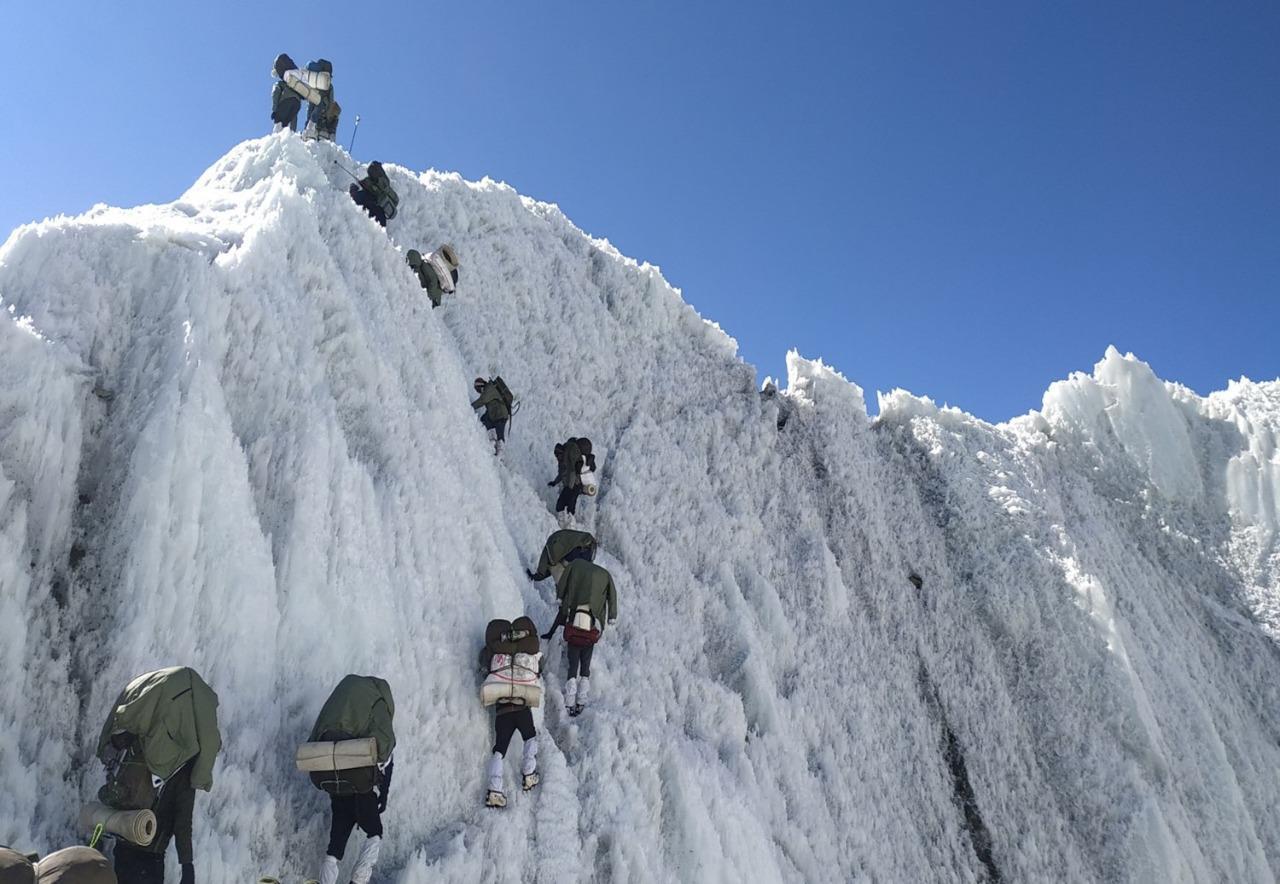
Siachen Glacier
Army opens Siachen Base Camp for tourists 24 months after Rajnath singh's promise,this sends a strong message to Pakistan and China
By - Siju Kuriyedam Sreekumar --
Friday, October 08, 2021 , 05:25 PM
Saichen Glacier trek was Open for civilian from many year but some kind of restriction was there. They permitted 30 number of person per year from 2007 .The way to Saichen Glacier is very difficult for civilian, No Helicopter or chopper service in Saichen Glacier ,Helicopter or chopper using for only emergency situation because of climate issues.
The Indian Army organises a Siachen Glacier Trek between August and September every year for approximately thirty selected civilians recommended by the Indian Mountaineering Foundation (IMF). This was the only chance for a civilian to visit the world’s highest and coldest battlefield. The trek begins from Leh in Ladakh at a height of about 12,000 feet above mean sea level. From there, the participants proceed to the Siachen Base Camp which goes into the mountain slopes at 10,000 feet and, from there, trek on to Kumar Camp which is at 16,000 feet, the distance of the trek being 60 km both ways across 8-9 days.
Opening up the Siachen Glacier
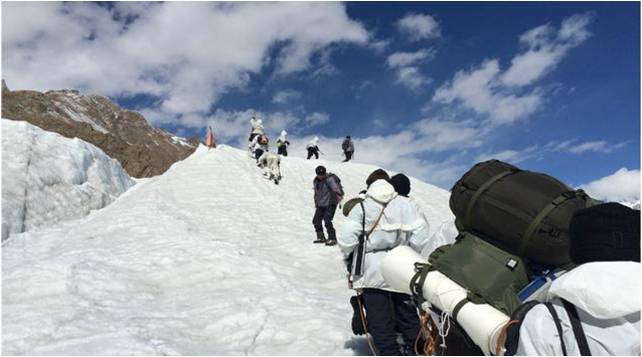
Siachen Glacier
The cold desert of Ladakh, which lies beyond the mighty Karakoram range in the Himalayas, has fascinated tourists from all over the world. India took over the territory in 1984 during Operation Meghdoot.
As of now, civilians were only allowed to go till the Nubra Valley which is considered as a gateway to the Siachen Glacier. It is quite far from the Siachen Glaciar base camp and the Siachen Battle School. Now, the trek has been opened for tourists between Siachen Glacier’s base camp and Kumar Logistics base. The Siachen Glacier base camp is situated at an altitude of 11,000 feet and Kumar post is at an altitude of 16,000 feet.
A kind of dry-run, before this announcement, took place between 2007 to 2016 where the Indian Army’s Adventure cell organised ‘Siachen Trek’ in which some civilians were allowed to visit Kumar and the base camp.
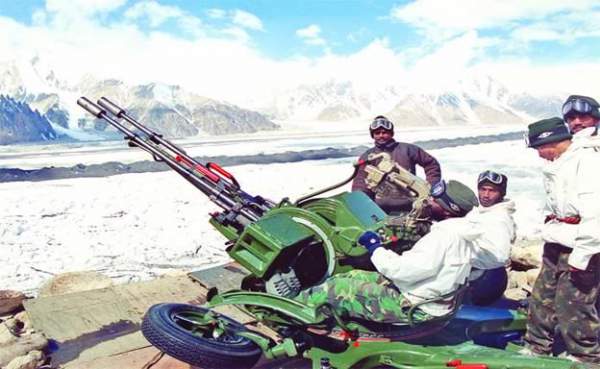
Siachen Glacier
Last month On World Tourism Day (September 27 2021), Ladakh MP Jamyang Tsering Namgyal, inaugurated the opening of the Siachen base camp for domestic tourists.
Coming after 24 months of defence minister Rajnath Singh’s announcement, the move fulfils a long-standing demand of the locals in Panamik area, about 141 km north of Leh. Army curbs on visiting the Base Camp discouraged tourists who wanted a “piece of the action” from visiting Panamik. So they thronged Diskit and Hunder on the western flank of the Nubra region.CEC @tashi_gyalson flags-off 1st batch of tourists visiting #Siachen base camp led by MP @jtnladakh from #Leh.#Siachen base camp will be open for #domestictourists from tomorrow, on the occasion of #WorldTourismDay. @Angchuk5 @utladakhtourism@DIPR_Leh @prasarbharti pic.twitter.com/GAdVtRSJAJ
— LAHDC LEH (@LAHDC_LEH) September 26, 2021
Ladakh hill council chief executive councillor Tashi Gyalson On World Tourism Day (September 27 2021) flagged off the first batch of civilian visitors from Leh to kick off 'Base Camp tourism' in the presence of Ladakh MP Jamyang Tsering.
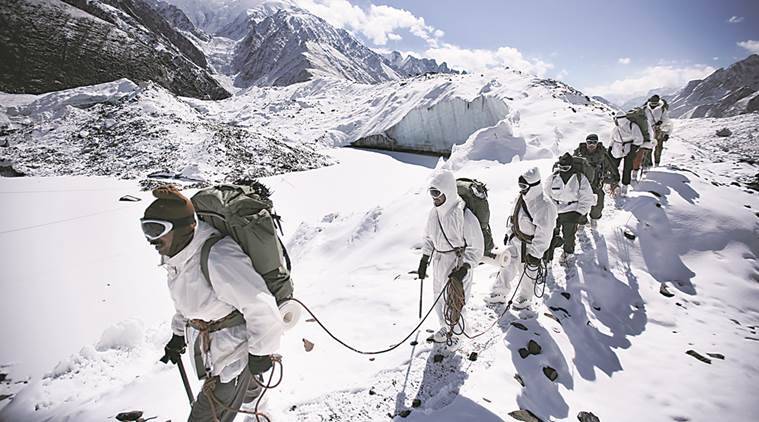
Siachen Glacier
Opening up the world’s largest non-polar glacier and the highest battlefield for tourism could also prove to be a harbinger of ‘border tourism’ in Ladakh wherein tourists may be allowed at least day visits to villages along the China border to take the economic fruits of tourism to the isolated communities.
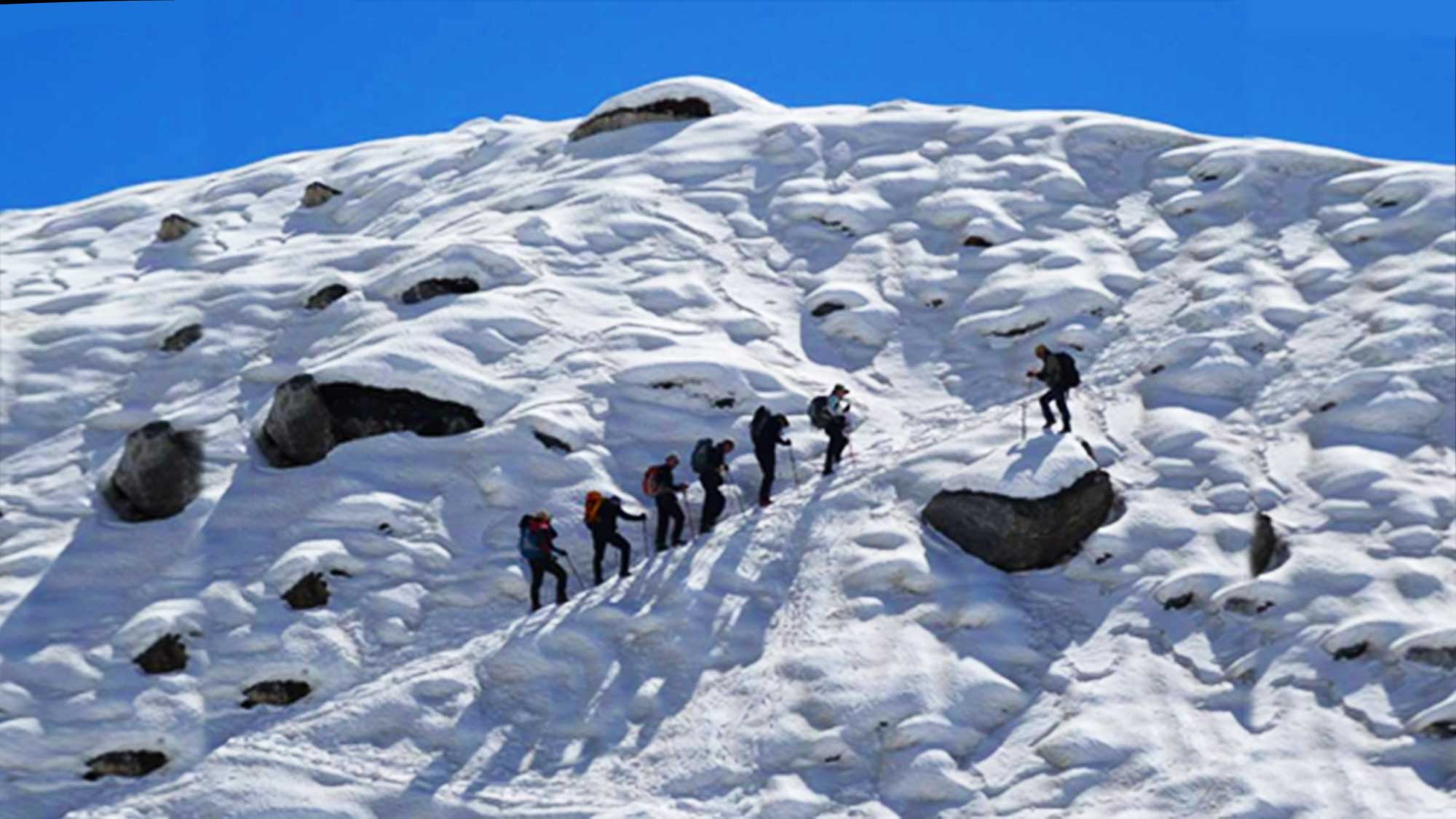
Siachen Glacier
Located on the Karakoram range of the Himalayas, within the Nubra valley, Siachen symbolises hardcore adventure and thrill, as the world’s highest and one of its coldest battlefields. While the western end of the Nubra valley has been a frequent haunt for tourists, the villages along the Siachen river itself were rarely visited. However, with this move, more focus is being placed on tapping into the potential of the region as a tourist hotspot, reports
Beyond the electrifying adventure, the disputed border area also offers scenic beauty, history, monasteries and other cultural gems that make it all the more appealing. Tourists can also visit the Galwan Valley Martyrs’ Memorial, which stands as a testament to the lives of the fallen soldiers from the 1962 war with China. So prepare for a gripping escapade in the piercing cold and make your way to Siachen.
The Ladakh administration had last month abolished the Inner Line Permit system for Indian tourists, first reported by Times Of india on August 7. Yet, entry to ‘zero km’ villages such as Demchok and Koyul may still remain a no-no.
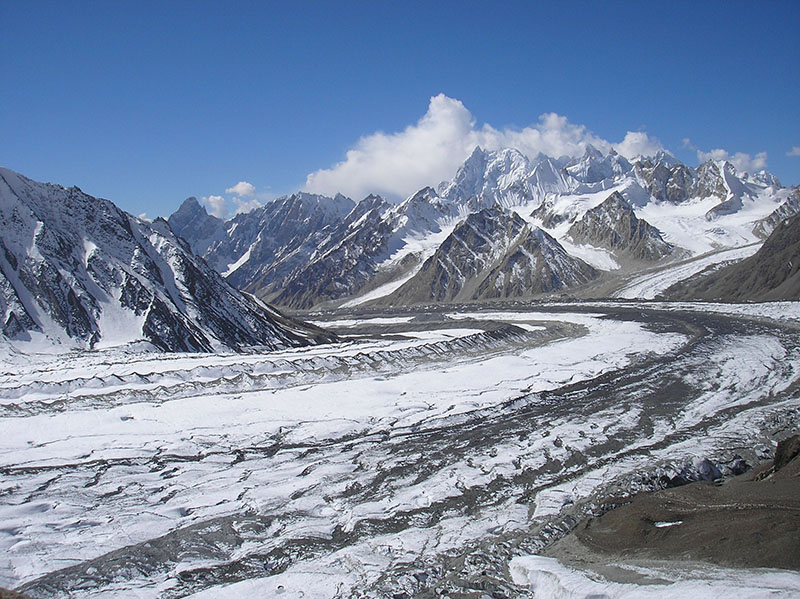
Siachen Glacier
Amid heightened border tensions with China, July 26, 2020 Times of India first reported the Army willing to “liberally” issue permits to Indian expeditions to the Base Camp, about 225 km from Leh, and Kumar Post. But not much was heard subsequently.
The “willingness” had followed an announcement by defence minister Rajnath Singh in October 2019, when winter was already knocking on Ladakh’s door and tourist season was nearly over. Inaugurating a bridge on Shyok river, Singh, in the presence of then Army chief and current Chief of Defence Staff Vipin Rawat, promised to allow tourists to visit the Base Camp. The move, however, got tied up in Army red tape.
When Singh visited Ladakh in June, area people drew his attention to the issue. It transpired that the Army HQ was yet to issue an order. Singh promised people he would get it done upon returning to Delhi.
Siachen lies west of the Galwan valley, which was in the eye of the India-China border storm. It overlooks the tri-junction of Pakistan, India and Sakshgam, the area ceded by Pakistan to China in Aksai Chin that India claims as its own.
Lack of opportunities have led to thinning of population in forward areas, which has left them vulnerable. In contrast, the tourism boom has brought visible economic prosperity in Leh, Diskit, Turtuk in the north, Man-Merak along the Pangong-Tso and as well.
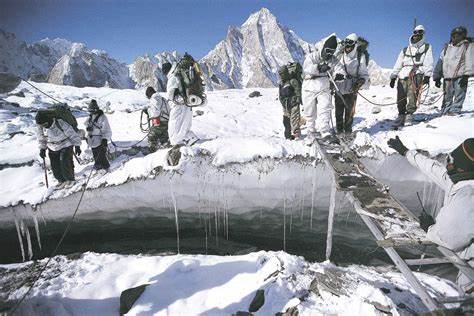
Siachen Glacier
The step has been taken to boost tourism in Ladakh and give people a window to appreciate the tough work done by army jawans and engineers in extreme weather and inhospitable terrains, the officials said.
The decision to open up tourism in Siachen will benefit more than 30 villages on the bank of the Siachen river.
In 2019, when India announced that the base camp of Siachen Glacier will open for tourists, Pakistan had objected it. “India has made attempts to occupy the territory of Siachen. Pakistan claims that the Siachen Glacier was a disputed territory that could not open for tourism.
Concerns over tourism
One of the biggest challenges in opening up the Siachen Glacier to tourism would be environmental preservation.
According to reports, the Indian Army cleared more than 130 tonnes of waste from Siachen Glacier, the world’s highest battlefield, since January 2018.
As per an Indian Express report, about 236 tonnes of waste is generated at Siachen every year, primarily because of the troops.
Presence of tourists will add to it and there needs to be a mechanism to dispose trash in an eco-friendly way. Furthermore, tourists would mean more vehicular movement which could generate more heat and risk hastened melting of the glacier.
Security is another major concern. Since 2003, the area has been peaceful after the ceasefire came into effect between the Indian and Pakistani armies. However, the Indian Army is vigilant and battle-ready.
Strong message to Pakistan, China
Many have noted that the opening up of the Siachen Glacier is a strong message by India to its neighbours, namely Pakistan and China.
Pakistan and India have seen military conflict over the disputed 2,600 square km territory of Siachen.
The conflict in Siachen stems from the incompletely demarcated territory on the map beyond the map coordinate known as NJ9842 (35.008371°N 77.008805°E). The 1949 Karachi Agreement and 1972 Simla Agreement did not clearly mention who controlled the glacier, merely stating that the Cease Fire Line (CFL) terminated at NJ9842.
However, Pakistan's aggression in the area by carrying out several mountaineering expeditions resulted in a conflict which began in 1984, with India’s successful Operation Meghdoot, during which it seized control of the Siachen Glacier.
Further attempts to reclaim positions were launched by Pakistan in 1990, 1995, 1996 and even in early 1999. However, Indians have been able to hold on to the tactical advantage of the high ground.
Finally, in 2003 peace befell the area after a ceasefire came into effect.
India’s control of the glacier prevents Chinese and Pakistani militaries from linking up and exposing Ladakh to a Sino-Pakistan attack and therefore it is considered a strategically important area.
Opening up the base camp to tourism sends a strong message across the border and even across the world that the glacier is rightfully India’s and every citizen of the country has a right to move freely in their own territory.
As the Deccan Herald noted in an opinion piece, "India wants the public to endorse the fact that its soldiers are present on the heights to the west of the glacier and that the Siachen Glacier is Indian territory."
COMMENTS
Be the first to comment
Latest Post

Literature
കടലാഴങ്ങളെ പുണർന്ന നാവികൻ, കടൽ ഒറ്റയ്ക്കു ക്ഷണിച്ചപ്പോൾ- ഒരു വായനാനുഭവം
Saturday, 03 May, 2025


LEAVE A REPLY