


 15.2°C,
Partly Clo,
43%
15.2°C,
Partly Clo,
43%
BREAKING NEWS
- അമ്പും വില്ലും എടുക്കാതെ മൂർച്ചയേറിയ വാക്കുമായി വേടനും അതിൽ വിറളിപിടിച്ചു വേടനെതിരെ ആയുധവുമായി നാട്ടിലെ രാജാക്കന്മാരുടെ കാടൻമാരും.
- അറബി നാട്ടിലെ മൃഗീയ പീഡനത്തിനും യാതനകൾക്കും ഇടയിലെ അതിജീവനത്തിൻ്റെ കഥ പറയുന്ന ആടുജീവിതം റിവ്യൂ ബോംബിങ്ങിനെ അതിജീവിച്ചു മുന്നേറുബോൾ അതിലെ ചില കാണാപ്പുറങ്ങൾ പറയാം
- അമ്പും വില്ലും എടുക്കാതെ മൂർച്ചയേറിയ വാക്കുമായി വേടനും അതിൽ വിറളിപിടിച്ചു വേടനെതിരെ ആയുധവുമായി നാട്ടിലെ രാജാക്കന്മാരുടെ കാടൻമാരും.
- അറബി നാട്ടിലെ മൃഗീയ പീഡനത്തിനും യാതനകൾക്കും ഇടയിലെ അതിജീവനത്തിൻ്റെ കഥ പറയുന്ന ആടുജീവിതം റിവ്യൂ ബോംബിങ്ങിനെ അതിജീവിച്ചു മുന്നേറുബോൾ അതിലെ ചില കാണാപ്പുറങ്ങൾ പറയാം
New Inventions
Home / Technology/ New Inventions
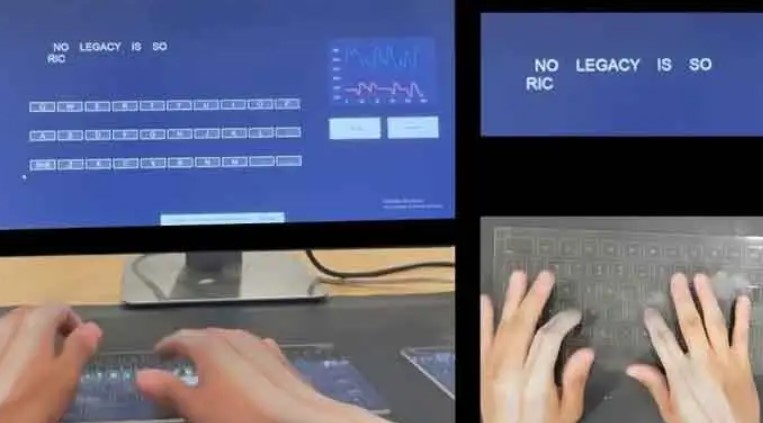
Smart skin AI hand movementsPhoto Credit : Stanford University Site
ലോകത്തെ വിരൽ തുമ്പിലാക്കിയതിന് പിന്നാലെ കീ ബോർഡിലോ സ്ക്രീനിലോ സ്പർശിക്കാതെ വിരലനക്കം കൊണ്ട് കമ്പ്യൂട്ടറും ഫോണും ഉപയോഗിക്കാനുള്ള സാങ്കേതിക വിദ്യ വികസിപ്പിച്ചു സ്റ്റാൻഫോർഡിലെ ഗവേഷകർ
By - Siju Kuriyedath Sreekumar --
Friday, January 06, 2023 , 02:45 PM
വിരലുകൾ കീ ബോർഡിലോ സ്ക്രീനിലോ സ്പർശിക്കാതെ കമ്പ്യൂട്ടറിനെയും മൊബൈൽ ഫോണിനെയും നിയന്ത്രിക്കാൻ കഴിഞ്ഞാലോ? സൂപ്പർ ഫിക്ഷൻ നോവലുകളിലോ സിനിമകളിലോ കാണുന്ന വെറുമൊരു ചിന്തയല്ല ഇതെന്ന് വ്യക്തമാക്കുകയാണ് ഗവേഷകർ. കമ്പ്യൂട്ടറിനെയും ഫോണിനെയും സ്പർശിക്കാതെ വിരലനക്കം കൊണ്ട് നിയന്ത്രിക്കാൻ കഴിയുമെന്ന് തെളിയിച്ചിരിക്കുകയാണ് സ്റ്റാൻഫോർഡിലെ ഗവേഷകർ. നേച്ചുർ ഇലക്ട്രോണിക്സിൽ പ്രസിദ്ധീകരിച്ച പഠന റിപ്പോർട്ടിലാണ് ഇക്കാര്യം വ്യക്തമാക്കുന്നത്.
കൈകളിലേക്ക് ഒരു സ്പ്രേ അടിച്ച ശേഷം എവിടെ ടൈപ് ചെയ്താലും അത് കീ ബോർഡായി മാറുമെന്നാണ് ഗവേഷകർ പറയുന്നത്. സാധാരണ സൺസ്ക്രീം പോലെ ശരീരത്തിൽ ഉപയോഗിക്കാൻ സാധിക്കുന്ന വസ്തുവാണ് ഈ മാജിക് സ്പ്രേയിൽ ഉപയോഗിക്കുന്നത്. അതുകൊണ്ടുതന്നെ ഇതു വഴി ശരീരത്തിന് പ്രശ്നങ്ങളൊന്നും തന്നെ ഉണ്ടാവുന്നില്ലെന്നും ഗവേഷകർ പറയുന്നു. എങ്കിലും ഇങ്ങനെയൊരു ഉൽപന്നം സാധാരണക്കാർക്ക് ലഭിക്കാൻ ഇനിയുമേറെ കടമ്പകളും കാലതാമസവും വേണ്ടിവരും. എന്നാൽ, അതൊന്നും ഈ കണ്ടെത്തലിന്റെ പ്രാധാന്യം കുറക്കുന്നില്ല.
മറ്റേതൊരു ഇ സ്കിന്നിനേക്കാളും കയ്യുറകളേക്കാളും കനം കുറഞ്ഞതാണ് ഈ സ്പ്രേ വഴി നിർമിക്കപ്പെടുന്നത്. അതുകൊണ്ടുതന്നെ പ്രായോഗിക ഉപയോഗത്തിന്റെ കാര്യത്തിൽ ഈ സാങ്കേതികവിദ്യ ഏറെ മുന്നിലാണ്. നിങ്ങളുടെ ചർമ്മത്തിന് അനുസരിച്ച് വളയാനും ചലിക്കാനും സാധിക്കുന്ന നാനോമെഷ് ഉപയോഗിച്ചാണ് ഇത് നിർമിച്ചിരിക്കുന്നതെന്നാണ് ഗവേഷകർ വിശദീകരിക്കുന്നത്. വളരെ ചെറിയ ഇലക്ട്രിക്കൽ സെൻസറുകളാണ് ഈ നാനോ മെഷീനിൽ അടങ്ങിയിരിക്കുന്നത്. ഈ സെൻസറുകൾ നിങ്ങളുടെ കയ്യുടെ ചലനങ്ങൾ തിരിച്ചറിഞ്ഞ് നിർമിത ബുദ്ധിക്ക് കൈമാറും. നിങ്ങൾ എവിടെയാണ് ടൈപ്പ് ചെയ്യുന്നത് അവിടെ ഏതു കീയാണുള്ളത് എന്നതെല്ലാം തിരിച്ചറിയുന്നത് നിർമിത ബുദ്ധിയാണ്.
ഈ സ്പ്രേ കീ ബോർഡ് നിയന്ത്രിക്കാൻ മാത്രമല്ല മറ്റു പല ആവശ്യങ്ങൾക്കും ഉപയോഗിക്കാനാവും. നിങ്ങളുടെ സ്മാർട് ഫോണിലെ ആപ്ലിക്കേഷനുകളും മറ്റും സ്ക്രീനിൽ തൊടാതെ തന്നെ ഒരു വിരലനക്കംകൊണ്ട് നിയന്ത്രിക്കാനാവും. വെർച്ചുൽ റിയാലിറ്റി ആപ്ലിക്കേഷനുകളിൽ വലിയ സാധ്യതയാണ് ഈ കണ്ടെത്തലിനുള്ളത്. ഫെയ്സ്ബുക്കിന്റെ വിആർ ഗ്ലൗ പോലുള്ള ഉപകരണങ്ങളെ അപേക്ഷിച്ച് എളുപ്പത്തിൽ ഉപയോഗിക്കാനാവുമെന്നതും നേട്ടമാണ്. കംപ്യൂട്ടറും സ്മാർട് ഫോണും നിയന്ത്രിക്കുക എന്നതിനപ്പുറം എആറിന്റെ ലോകത്ത് ഈ സ്പ്രേ അദ്ഭുതങ്ങൾ സൃഷ്ടിക്കാൻ സഹായിക്കുമെന്നാണ് കരുതപ്പെടുന്നത്.
Innovative Spray-On Smart Skin Uses AI to Sense What You’ll Type on a Computer Keyboard
Scientists have devised a new material that can be sprayed onto the back of human hands to track their movements, according to a new study published in the journal Nature Electronics.
The researchers have built a prototype that recognises simple objects by touch and can even do predictive two-handed typing on an invisible keyboard.
A tiny electrical network senses the stretching and bending of the skin as the hand moves, which is then interpreted by artificial intelligence (AI) to identify movements.
The algorithm was able to type “No legacy is so rich as honesty” from William Shakespeare and “I am the master of my fate, I am the captain of my soul” from William Ernest Henley’s poem “Invictus.”
The researchers say that this technology could have applications in a variety of fields from gaming to sports, telemedicine, and robotics.
Electronic devices that can identify the movement and intended tasks of the human hand already exist. But these are often bulky and require large amounts of data to be collected for each user and task to train the algorithm. Unsurprisingly, widespread adoption has been limited.
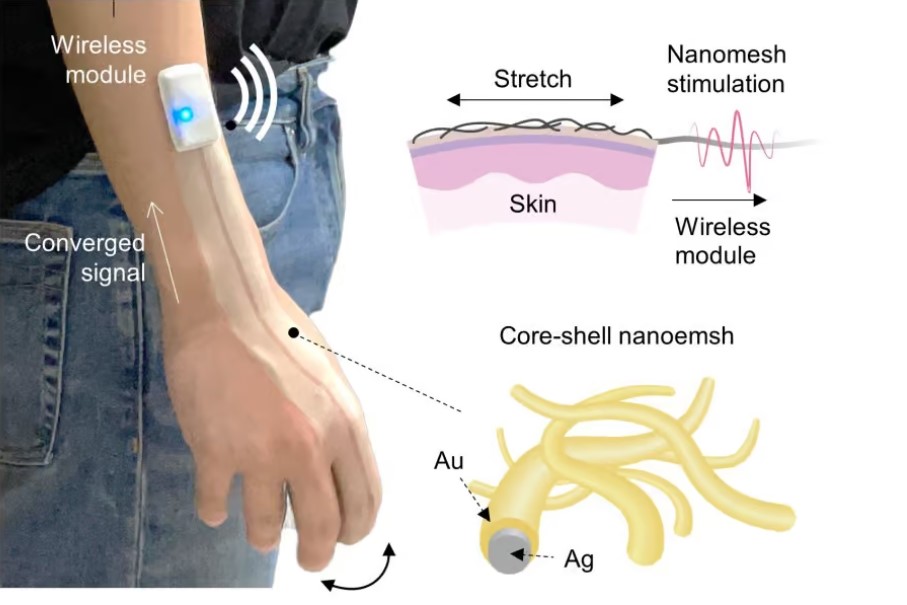
Now, researchers have created a sprayable electrically sensitive mesh network – made up of millions of silver nanowires coated in gold and embedded in polyurethane – which conforms to the wrinkles and folds of the human finger and stays on — unless rubbed away in soap and water.
“As the fingers bend and twist, the nanowires in the mesh get squeezed together and stretched apart, changing the electrical conductivity of the mesh. These changes can be analysed to tell us precisely how a hand or a finger or a joint is moving,” explains senior author Zhenan Bao, Professor of Chemical Engineering at Stanford University in the US.
A light-weight Bluetooth module is also attached to wirelessly transfer those signal changes and machine learning steps in to interpret them.
The changing patterns in conductivity are mapped to specific tasks and gestures and the algorithm learns to recognise them. For instance, typing the letter X onto a keyboard. And once the algorithm is suitably trained the physical keyboard isn’t needed any more – just the hand movements by themselves are enough.
The machine learning scheme is also more computationally efficient than existing technologies.
“We brought the aspects of human learning that rapidly adapt to tasks with only a handful of trials, known as ‘meta-learning.’ This allows the device to rapidly recognise arbitrary new hand tasks and users with a few quick trials,” says first author Kyun Kyu “Richard” Kim, a post-doctoral scholar in Bao’s lab.
Spray-on sensory system which consists of printed, bio-compatible nanomesh directly connected with wireless Bluetooth module and further trained through meta-learning. Credit: Kyun Kyu “Richard” Kim, Bao Group, Stanford U.
“Moreover, it’s a surprisingly simple approach to this complex challenge that means we can achieve faster computational processing time with less data because our nanomesh captures subtle details in its signals,” Kim adds.
Because it is sprayed-on, the device can conform to any size or shaped hand and could be used to recognise sign language or even objects by tracing their exterior surfaces by hand. In the future, it could also potentially be adapted to the face to capture subtle emotional cues, which may enable new approaches to computer animation or even virtual meetings.
കൈകളിലേക്ക് ഒരു സ്പ്രേ അടിച്ച ശേഷം എവിടെ ടൈപ് ചെയ്താലും അത് കീ ബോർഡായി മാറുമെന്നാണ് ഗവേഷകർ പറയുന്നത്. സാധാരണ സൺസ്ക്രീം പോലെ ശരീരത്തിൽ ഉപയോഗിക്കാൻ സാധിക്കുന്ന വസ്തുവാണ് ഈ മാജിക് സ്പ്രേയിൽ ഉപയോഗിക്കുന്നത്. അതുകൊണ്ടുതന്നെ ഇതു വഴി ശരീരത്തിന് പ്രശ്നങ്ങളൊന്നും തന്നെ ഉണ്ടാവുന്നില്ലെന്നും ഗവേഷകർ പറയുന്നു. എങ്കിലും ഇങ്ങനെയൊരു ഉൽപന്നം സാധാരണക്കാർക്ക് ലഭിക്കാൻ ഇനിയുമേറെ കടമ്പകളും കാലതാമസവും വേണ്ടിവരും. എന്നാൽ, അതൊന്നും ഈ കണ്ടെത്തലിന്റെ പ്രാധാന്യം കുറക്കുന്നില്ല.
മറ്റേതൊരു ഇ സ്കിന്നിനേക്കാളും കയ്യുറകളേക്കാളും കനം കുറഞ്ഞതാണ് ഈ സ്പ്രേ വഴി നിർമിക്കപ്പെടുന്നത്. അതുകൊണ്ടുതന്നെ പ്രായോഗിക ഉപയോഗത്തിന്റെ കാര്യത്തിൽ ഈ സാങ്കേതികവിദ്യ ഏറെ മുന്നിലാണ്. നിങ്ങളുടെ ചർമ്മത്തിന് അനുസരിച്ച് വളയാനും ചലിക്കാനും സാധിക്കുന്ന നാനോമെഷ് ഉപയോഗിച്ചാണ് ഇത് നിർമിച്ചിരിക്കുന്നതെന്നാണ് ഗവേഷകർ വിശദീകരിക്കുന്നത്. വളരെ ചെറിയ ഇലക്ട്രിക്കൽ സെൻസറുകളാണ് ഈ നാനോ മെഷീനിൽ അടങ്ങിയിരിക്കുന്നത്. ഈ സെൻസറുകൾ നിങ്ങളുടെ കയ്യുടെ ചലനങ്ങൾ തിരിച്ചറിഞ്ഞ് നിർമിത ബുദ്ധിക്ക് കൈമാറും. നിങ്ങൾ എവിടെയാണ് ടൈപ്പ് ചെയ്യുന്നത് അവിടെ ഏതു കീയാണുള്ളത് എന്നതെല്ലാം തിരിച്ചറിയുന്നത് നിർമിത ബുദ്ധിയാണ്.
ഈ സ്പ്രേ കീ ബോർഡ് നിയന്ത്രിക്കാൻ മാത്രമല്ല മറ്റു പല ആവശ്യങ്ങൾക്കും ഉപയോഗിക്കാനാവും. നിങ്ങളുടെ സ്മാർട് ഫോണിലെ ആപ്ലിക്കേഷനുകളും മറ്റും സ്ക്രീനിൽ തൊടാതെ തന്നെ ഒരു വിരലനക്കംകൊണ്ട് നിയന്ത്രിക്കാനാവും. വെർച്ചുൽ റിയാലിറ്റി ആപ്ലിക്കേഷനുകളിൽ വലിയ സാധ്യതയാണ് ഈ കണ്ടെത്തലിനുള്ളത്. ഫെയ്സ്ബുക്കിന്റെ വിആർ ഗ്ലൗ പോലുള്ള ഉപകരണങ്ങളെ അപേക്ഷിച്ച് എളുപ്പത്തിൽ ഉപയോഗിക്കാനാവുമെന്നതും നേട്ടമാണ്. കംപ്യൂട്ടറും സ്മാർട് ഫോണും നിയന്ത്രിക്കുക എന്നതിനപ്പുറം എആറിന്റെ ലോകത്ത് ഈ സ്പ്രേ അദ്ഭുതങ്ങൾ സൃഷ്ടിക്കാൻ സഹായിക്കുമെന്നാണ് കരുതപ്പെടുന്നത്.
Innovative Spray-On Smart Skin Uses AI to Sense What You’ll Type on a Computer Keyboard
Smart skin AI hand movementsPhoto Credit : Stanford University Site
Scientists have devised a new material that can be sprayed onto the back of human hands to track their movements, according to a new study published in the journal Nature Electronics.
The researchers have built a prototype that recognises simple objects by touch and can even do predictive two-handed typing on an invisible keyboard.
A tiny electrical network senses the stretching and bending of the skin as the hand moves, which is then interpreted by artificial intelligence (AI) to identify movements.
The algorithm was able to type “No legacy is so rich as honesty” from William Shakespeare and “I am the master of my fate, I am the captain of my soul” from William Ernest Henley’s poem “Invictus.”
The researchers say that this technology could have applications in a variety of fields from gaming to sports, telemedicine, and robotics.
Electronic devices that can identify the movement and intended tasks of the human hand already exist. But these are often bulky and require large amounts of data to be collected for each user and task to train the algorithm. Unsurprisingly, widespread adoption has been limited.
Now, researchers have created a sprayable electrically sensitive mesh network – made up of millions of silver nanowires coated in gold and embedded in polyurethane – which conforms to the wrinkles and folds of the human finger and stays on — unless rubbed away in soap and water.
“As the fingers bend and twist, the nanowires in the mesh get squeezed together and stretched apart, changing the electrical conductivity of the mesh. These changes can be analysed to tell us precisely how a hand or a finger or a joint is moving,” explains senior author Zhenan Bao, Professor of Chemical Engineering at Stanford University in the US.
A light-weight Bluetooth module is also attached to wirelessly transfer those signal changes and machine learning steps in to interpret them.
The changing patterns in conductivity are mapped to specific tasks and gestures and the algorithm learns to recognise them. For instance, typing the letter X onto a keyboard. And once the algorithm is suitably trained the physical keyboard isn’t needed any more – just the hand movements by themselves are enough.
The machine learning scheme is also more computationally efficient than existing technologies.
“We brought the aspects of human learning that rapidly adapt to tasks with only a handful of trials, known as ‘meta-learning.’ This allows the device to rapidly recognise arbitrary new hand tasks and users with a few quick trials,” says first author Kyun Kyu “Richard” Kim, a post-doctoral scholar in Bao’s lab.
Spray-on sensory system which consists of printed, bio-compatible nanomesh directly connected with wireless Bluetooth module and further trained through meta-learning. Credit: Kyun Kyu “Richard” Kim, Bao Group, Stanford U.
“Moreover, it’s a surprisingly simple approach to this complex challenge that means we can achieve faster computational processing time with less data because our nanomesh captures subtle details in its signals,” Kim adds.
Because it is sprayed-on, the device can conform to any size or shaped hand and could be used to recognise sign language or even objects by tracing their exterior surfaces by hand. In the future, it could also potentially be adapted to the face to capture subtle emotional cues, which may enable new approaches to computer animation or even virtual meetings.
COMMENTS
Be the first to comment
Latest Post

Literature
കടലാഴങ്ങളെ പുണർന്ന നാവികൻ, കടൽ ഒറ്റയ്ക്കു ക്ഷണിച്ചപ്പോൾ- ഒരു വായനാനുഭവം
Saturday, 03 May, 2025



LEAVE A REPLY